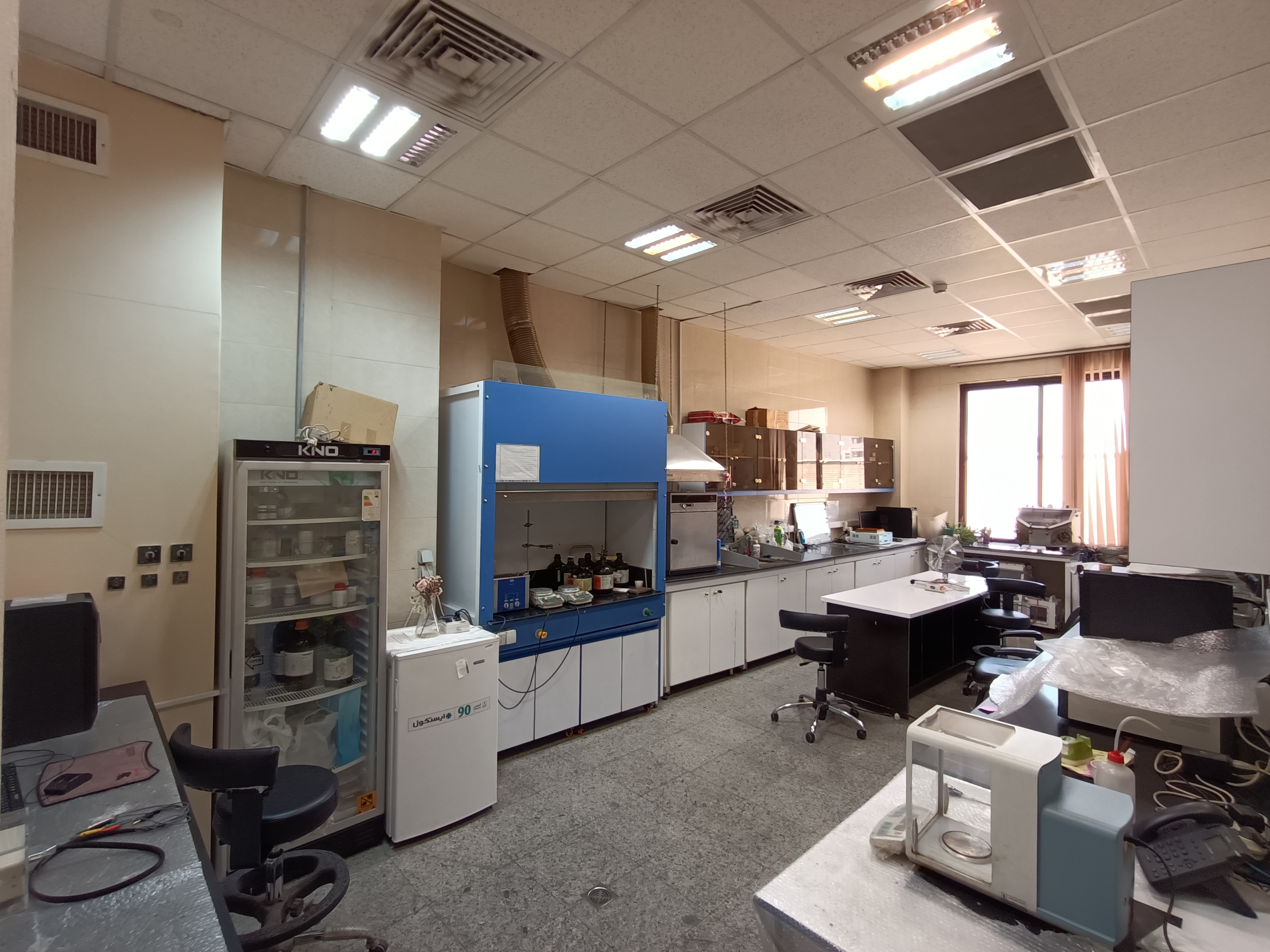
Laboratory Introduction
This laboratory undertakes various projects in the fields of soft electromechanical actuators (artificial muscles), membrane separation processes, polymer solar cells, polymer electrolytes for lithium-ion batteries, fuel cell electrocatalysts, and the design of electrodes and electrolytes for supercapacitors. Accordingly, the laboratory is equipped with general and specialized devices for evaluating the materials and devices designed.
Research Areas
Polymer Solar Cells:
- Designing and synthesizing new materials with superior properties for use in the anode, active layer, and cathode of polymer solar cells.
- Optimizing the properties of commonly used materials in polymer solar cells through physical and chemical methods.
- Proposing new structures and designs for manufacturing polymer solar cells.
Artificial Muscles:
- Designing and preparing polymer-based electrolytes using smart polymers.
- Synthesizing and designing metallic and non-metallic electrodes.
- Replacing conventional solvents with new solvents.
- Compositing electrode materials and polymer electrolytes with organic and inorganic compounds.
Membrane Separation Processes:
- Synthesizing and evaluating asymmetric membranes for gas separation processes.
- Synthesizing and evaluating thin-film composite membranes for gas separation processes.
- Synthesizing asymmetric polymer thin-film membranes for water desalination processes.
- Preparing and evaluating thin-film carbon-based membranes for separation processes.
- Preparing thin-film composite polymer/carbon membranes for separating organic and inorganic species.
Lithium-Ion Batteries:
- Preparing and electrochemically evaluating polymer gel electrolytes.
- Preparing and electrochemically evaluating polymer gel electrolytes composited with inorganic nanoparticles.
- Enhancing the transport properties of conventional polymer gel electrolytes by blending them with suitable polymers.
- Manufacturing lithium-ion batteries and improving the charge/discharge properties of polymer batteries.
- Designing flexible batteries.
Fuel Cells:
- Preparing and electrochemically evaluating catalysts and catalyst supports.
- Enhancing the properties of ion-exchange electrolytes by compositing them with inorganic nanoparticles.
- Manufacturing membrane electrode assemblies.
- Building and evaluating fuel cells.
Supercapacitors:
- Preparing and electrochemically evaluating carbon-based electrodes and electrolytes.
- Enhancing the properties of common electrolytes using organic and inorganic compounds.
- Manufacturing supercapacitors and evaluating their electrochemical performance.